
Elvis Rights Holders Expand Suno Lawsuit With More Infringement Claims
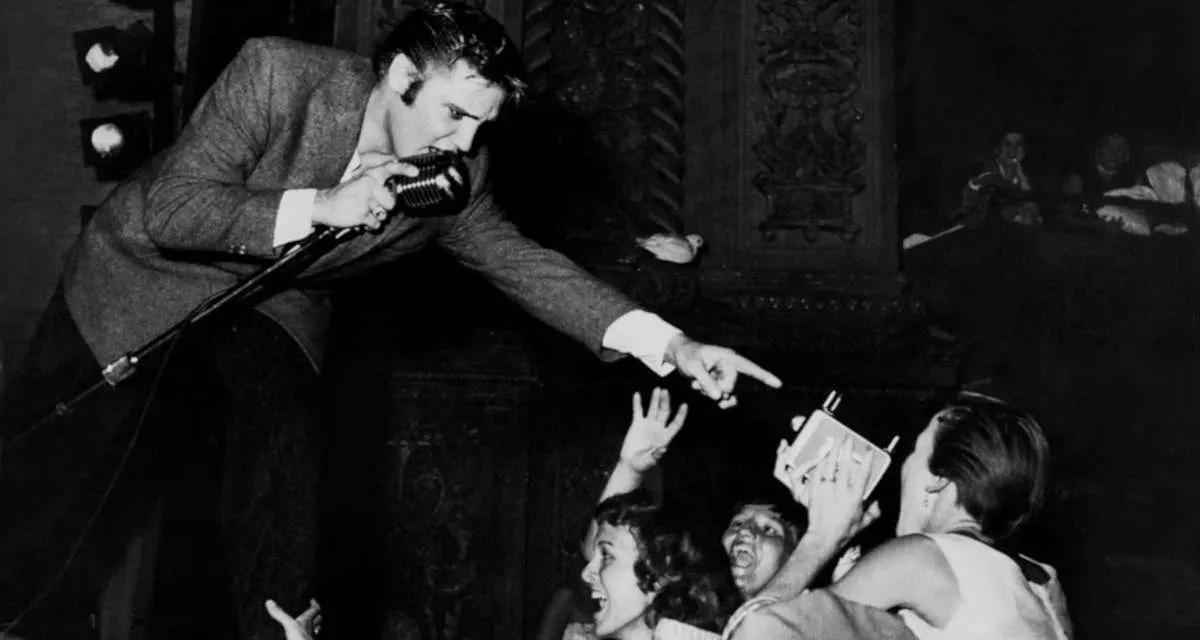
Elvis rights holders sharpen the case against Suno
Elvis Presley Enterprises, Authentic Brands Group and Raleigh Music Publishing have amended their lawsuit against AI music platform Suno, adding what the plaintiffs describe as a “multitude” of allegedly infringing outputs. The revised filing keeps the central claims from the November 6 lawsuit but expands the examples tied to Elvis’s voice, likeness and song catalog.
The rightsholders say Suno’s outputs violate Tennessee’s ELVIS Act and common-law name, image and likeness rights through Elvis soundalike vocals. They also accuse Suno of taking protected music from streaming platforms to build training datasets, then copying and storing those datasets. Songs including “All Shook Up” and “Can’t Help Falling in Love” are among the works at issue.
A broader catalog and more claimed outputs
The amended complaint adds 76 outputs connected to Elvis songs not named in the lawsuit, including “Blue Suede Shoes” and “Hound Dog.” The plaintiffs say those examples show ongoing, wholesale copyright infringement. Live examples attached to the filing include a February 2026 generation using “Can’t Help Falling in Love” and a vocal performance described as an Elvis soundalike.
The catalog reaches beyond Elvis’s own writing. Works by Otis Blackwell and Ben Weisman are among those at issue, while Raleigh Music Publishing points to songs written by Dave Appell and Kal Mann and popularized by performers including Chubby Checker. The complaint alleges infringement of 859 works and seeks up to $128.85 million in statutory damages, plus $23.62 million for alleged DMCA violations. Those claims remain allegations, not judicial findings.
What this means for you
For independent artists, this case shows that AI-music exposure is not limited to whether a model copied a recording. The claimants are also using likeness law against Elvis-like voices, while catalog claims extend across songwriters and performers. A creator’s voice, compositions and recordings may involve different rights owners, making clear contracts and a clean rights inventory especially valuable.
The filing does not settle how courts will treat training data, output similarity or synthetic voices, but it offers a practical warning: know what you own and what you have licensed, monitor AI tools for recognizable melodies or vocal imitations, and keep dated evidence of questionable outputs. For smaller acts without a legal team, that preparation could make a rights dispute easier to understand and address.
Source: Digital Music News
Advertise Here
Reach indie music fans across Twitch, Spotify, email & this blog.
Want the Full Blueprint?
Download our free 30-Day Music Marketing Blueprint — the step-by-step system used by independent artists to grow from 0 to 10,000+ monthly listeners.