
Kate Nash’s Expected $16K Tour Loss Reveals the Cost of Live Music
When a successful record still loses money on the road
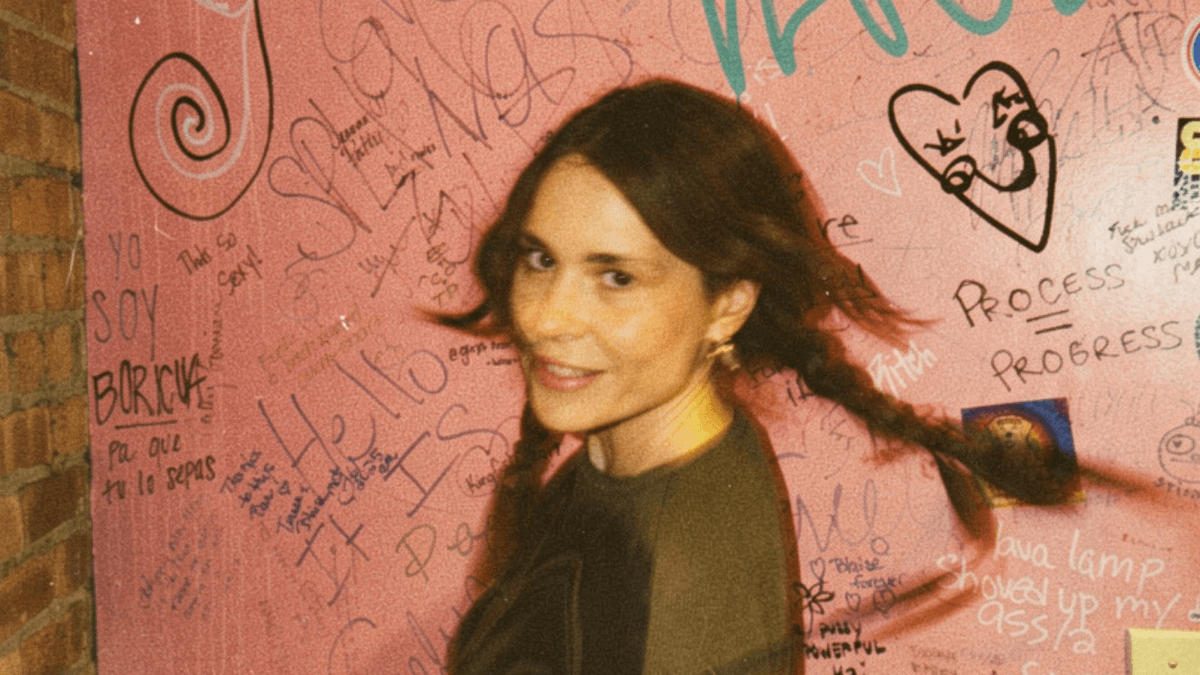
Kate Nash says she expects her current North American tour to lose about $16,000. That is the uncomfortable side of independence: Nash has millions of streams and sells thousands of tickets, yet she can still end up out of pocket once the live show is fully staffed.
Nash attributes the pressure to her choice to tour with a human band instead of backing tracks, along with a sound engineer, lighting technician and crew. Those costs sit alongside the revenue generated by ticket sales. She argues that having a real band and crew is part of preserving musical culture and paying the people who make it possible. Her warning is that access to a career in music is narrowing, making it harder for artists without a financial buffer to keep going.
Turning a fan relationship into another revenue line
Nash joined OnlyFans in 2024, saying she wanted to draw attention to the financial pressures facing working musicians and help fund her career. For the current tour, she plans to make up as much of the expected $16,000 shortfall as she can by posting content there. It is a direct-to-fan approach in which the artist is not relying only on recordings, ticket sales or conventional media to pay for the work.
She has also launched an OnlyFans TV channel for behind-the-scenes vlogs about life on the road. Rather than presenting touring as a polished promotional exercise, she is showing what daily life looks like for a working musician. That material gives subscribers a closer look while creating another potential way for supporters to contribute financially.
What this means for you
For independent artists, the practical lesson is to budget for the full cost of a live show before committing to dates. Streaming numbers and ticket sales are useful signals, but they should not be treated as profit; musicians, crew, sound and lighting all have to be paid. A tour that looks busy on paper can still be underwater.
Direct-to-fan platforms can help cover a gap, especially when an artist offers something audiences genuinely want, but they are a supplement rather than proof that the underlying tour model works. Nash’s move shows adaptability. The broader issue is bigger than one platform: working artists need realistic budgets and fair ways to keep making music.
Source: Digital Music News
Advertise Here
Reach indie music fans across Twitch, Spotify, email & this blog.
Want the Full Blueprint?
Download our free 30-Day Music Marketing Blueprint — the step-by-step system used by independent artists to grow from 0 to 10,000+ monthly listeners.