
Nvidia’s Leadership Crisis Puts AI Tools for Artists in Focus
A consequential leadership change
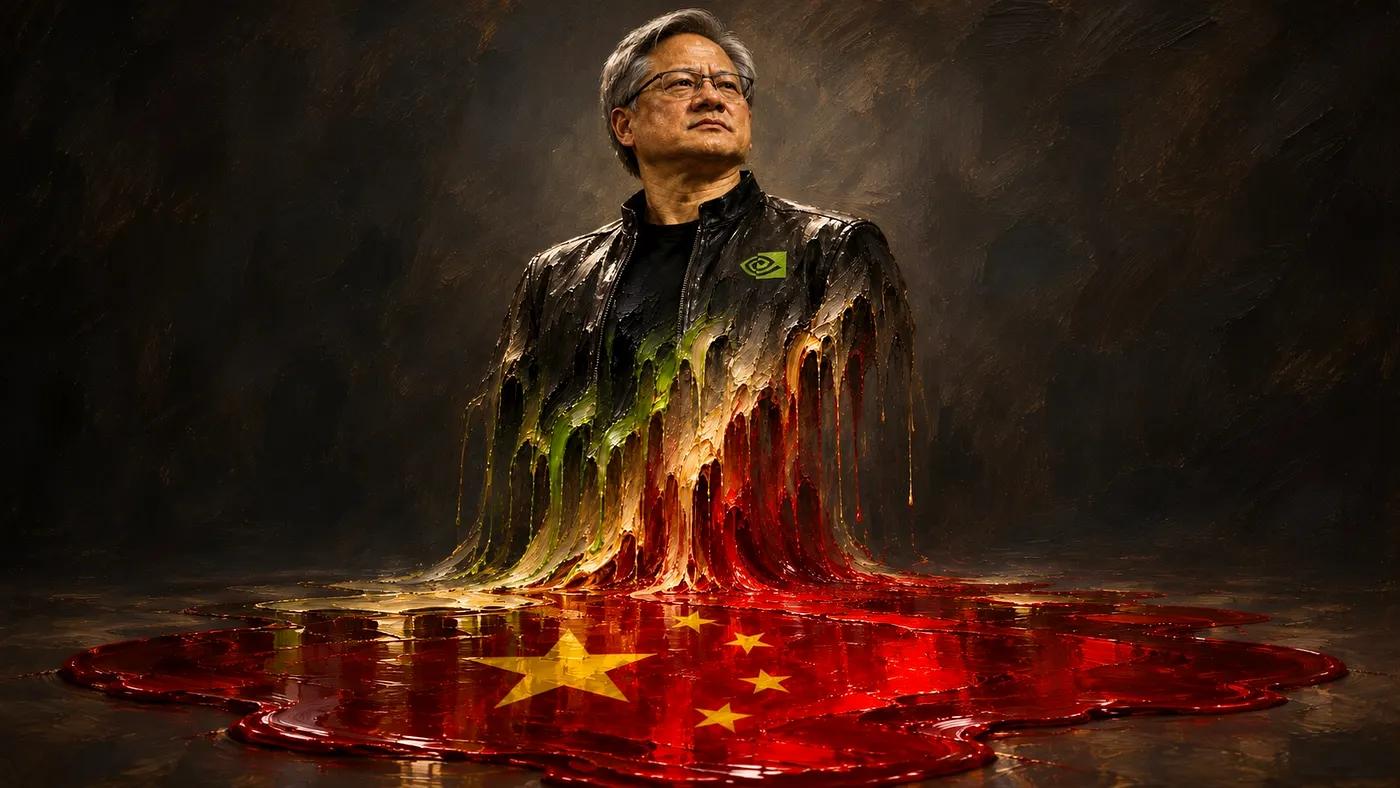
Nvidia’s board has accepted the resignation of Jensen Huang, the company’s co-founder and longtime president and CEO. Longtime chief financial officer Colette Kress will serve as interim CEO while the board searches for a permanent replacement, and early director Harvey C. Jones has become the company’s first chairman. Huang built Nvidia over 33 years into one of the world’s most valuable companies and remained its only chief executive. His departure came four days after he apologized to his family and employees for infidelity, creating a stark contrast between his professional legacy and the personal controversy surrounding his final weeks in charge.
Why the wider AI ecosystem is watching
The financial reaction was immediate. Nvidia shares fell as much as 14 percent on November 12 before closing 4.3 percent lower, although broader concerns about AI valuations and investment spending also contributed to the decline. The transition arrives while the industry is already wrestling with financing, regulation and questions about whether enormous AI spending will produce adequate returns.
Nvidia is more than a semiconductor manufacturer. Its chips, software, partnerships and investments have placed it at the center of AI development, making leadership uncertainty relevant to data-center operators and businesses that rely on its technology and financing. That does not erase Nvidia’s technical achievements, but it adds another layer of risk to an already demanding AI market.
For independent artists, this is not yet a direct change to royalties, releases or ownership. It is a signal about the infrastructure beneath many AI-assisted tools. If large infrastructure vendors become more cautious, artists could encounter shifts in product roadmaps or service reliability before seeing any policy announcement aimed specifically at creators.
What this means for you
Independent artists do not need to react to every Nvidia headline. They should know which AI services support their workflow, whether those services rely heavily on one hardware provider and how easily their work can move between tools. Keeping core creative assets and human judgment in house, testing backups and export options, and treating AI as one tool rather than a single-vendor dependency are practical defenses against disruption.
Source: Digital Music News
Advertise Here
Reach indie music fans across Twitch, Spotify, email & this blog.
Want the Full Blueprint?
Download our free 30-Day Music Marketing Blueprint — the step-by-step system used by independent artists to grow from 0 to 10,000+ monthly listeners.