
Phil Collins' Second Rock Hall Induction: A Lesson for Independent Artists
Two chapters, one long-running career
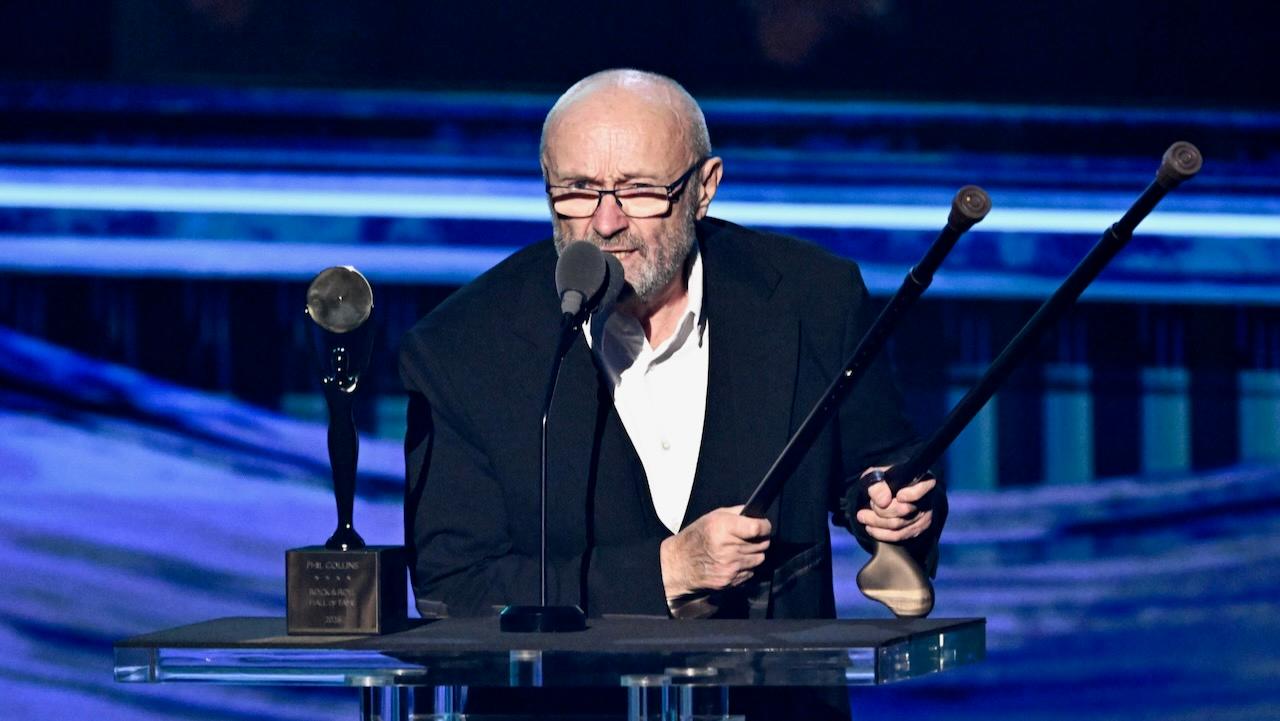
Phil Collins entered the Rock and Roll Hall of Fame again on Saturday, this time as a solo artist. His induction at the Peacock Theater in Los Angeles follows Genesis' 2010 induction and recognizes the separate career he built alongside the band. His solo debut, Face Value, arrived in 1981 with In the Air Tonight, and a run of albums through the 1980s brought songs including Against All Odds, Sussudio, and One More Night.
Travis Barker, who introduced Collins, credited the drummer with defining the sound of 1980s drumming and highlighted the unusual scale of his success in two contexts. Collins had joined Genesis as a drummer in 1970, then moved into lead vocals after Peter Gabriel's departure in 1975. The band moved from progressive rock toward a sleeker pop sound while Collins developed an increasingly successful solo career. Cynthia Erivo performed In the Air Tonight with Barker on drums during the ceremony.
Recognition without a comeback set
Collins accepted the honor but did not perform. He said he had turned down a chance to play earlier in the year because he did not feel ready to rehearse and sing properly. Nerve damage linked to back problems ended his ability to drum, while knee surgeries and mobility issues have limited his return to the stage. On later solo tours and Genesis' 2021-2022 farewell run, his son Nic played drums while Collins handled vocals.
That makes this more than a trophy story. The ceremony recognized the work without requiring Collins to physically prove it all over again. For independent artists, that is a useful distinction: a catalog and an audience remain valuable even when touring is not possible. The moment was also personal. Collins thanked his three ex-wives and his five children, and his daughter Lily Collins accompanied him. He also assured fans there was more ahead.
What this means for you
For independent musicians, Collins' path offers two practical reminders. First, keep your existing catalog alive and accessible. Your songs are more than a record of the past: they are an asset to keep available for fans, future live dates, and new collaborations, even as your circumstances change.
Second, a shared band identity and a solo path do not have to compete. Your role in a group and your individual work can reinforce each other and reach different listeners. When performance is not the only way to connect with an audience, do not treat the constraint as the end of the story. A durable independent career can be built around the work, its collaborators, and the people who keep listening.
Source: Consequence
Advertise Here
Reach indie music fans across Twitch, Spotify, email & this blog.
Want the Full Blueprint?
Download our free 30-Day Music Marketing Blueprint — the step-by-step system used by independent artists to grow from 0 to 10,000+ monthly listeners.