
Suno Dismissal Bid Fails as Expanded Artists’ NIL Claims Move Forward
The amended case clears an early hurdle
Federal Judge Angel Kelley has denied Suno’s motion to dismiss Lowery v. Suno, an expanded class action alleging violations of performers’ name, image and likeness rights across at least 15 states and territories. The ruling allows the amended allegations to continue through litigation, but it is not a final determination that Suno violated those rights. The full order was not yet available when Digital Music News reported the decision.
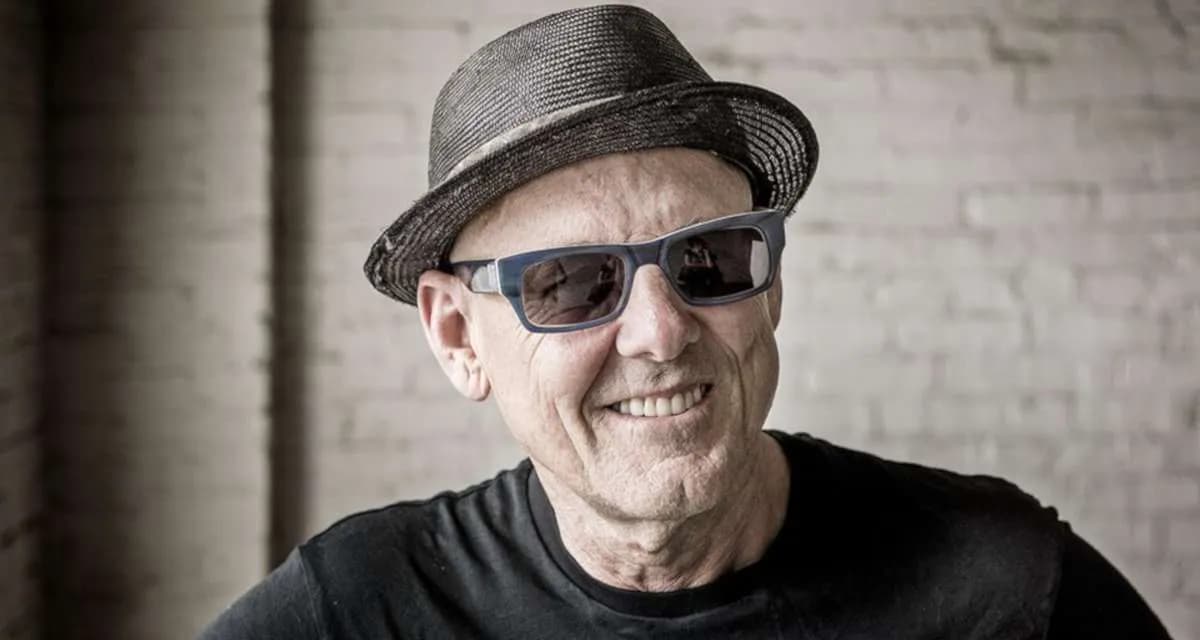
The plaintiff group now includes Jason Isbell, David Lowery, The Chicks, Phil Elverum, Billy Price, DJ Carl Craig and other performers. The roster could influence whether more artists join this case or the separate Justice v. Suno action. Suno may also renew its dismissal effort, keeping the larger dispute active into 2027 and beyond.
Catalog licenses are not the whole permission story
The amended complaint draws a sharp distinction between copyright permission and performer permission. Plaintiffs argue that a label’s authority to license a copyrighted recording does not automatically authorize a platform to license, reconstruct or commercially exploit the performers’ independently held identity rights. They point to consent and opt-in provisions within Suno’s licensing deals with Warner Music, Believe and BMG. That is the plaintiffs’ legal position, not yet a final judicial finding.
The complaint also draws on information uncovered through the wider industry fight against Suno, including scrutiny of AI-audio distribution, investor comments, training data, discovery and subpoena disputes. For artists, the central issue is whether permission to use a recording also covers the identity and likeness embodied in its performance.
What this means for you
For independent artists and small labels, treat copyright permission and performer permission as separate questions. A recording or catalog license should not automatically be read as consent to clone a voice, use a name or exploit a likeness in new commercial output. Check consent and opt-in language, and make sure any agreement identifies who can approve each proposed use.
Keep copies of relevant deals and consent records. The court has not decided the merits, so this is not a guaranteed outcome. Even so, the expanded lawsuit asks a practical question every artist should review: what can a label license, and what requires your own approval?
Source: Digital Music News
Advertise Here
Reach indie music fans across Twitch, Spotify, email & this blog.
Want the Full Blueprint?
Download our free 30-Day Music Marketing Blueprint — the step-by-step system used by independent artists to grow from 0 to 10,000+ monthly listeners.