
Independent Artist Marketing Guide 2026: Everything You Need to Know
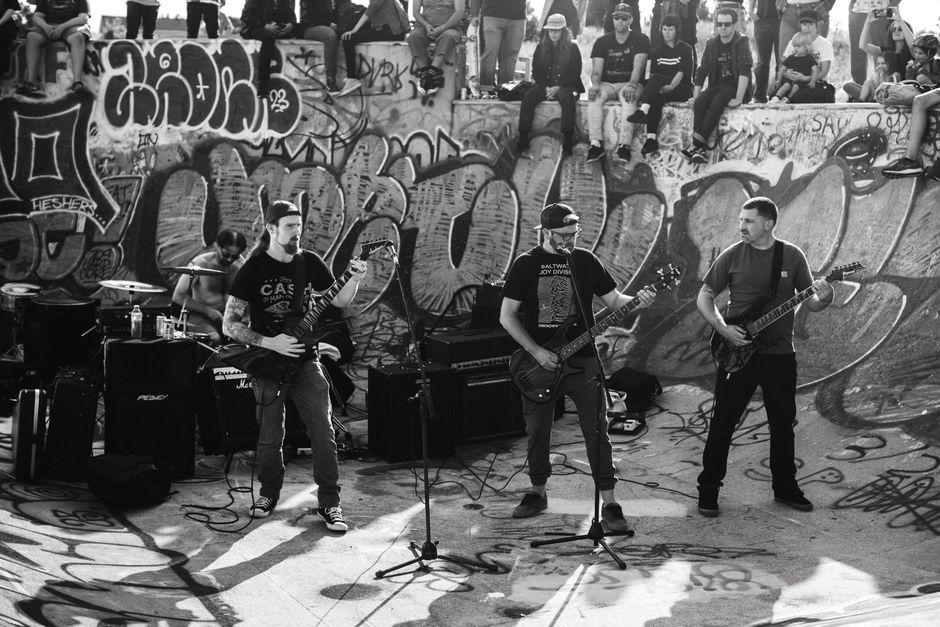
Independent Artist Marketing Guide 2026: Everything You Need to Know
Complete guide updated March 2, 2026
The music industry has completely changed. Here’s what actually works for independent artists in 2026.
The New Landscape
What’s changed since 2020:
• Spotify prioritizes consistent releases over viral hits
• TikTok drives 40% of new music discovery
• Micro-influencers (1K-10K followers) convert better than celebrities
• Playlist curators prefer direct artist contact over middlemen
Phase 1: Foundation Building (Months 1-3)
Set Up Your Digital Presence
Spotify for Artists
• Professional bio with your story
• High-quality photos (at least 1920×1080)
• Link all social media accounts
• Enable Canvas videos for tracks
Social Media Priorities (pick 2-3 platforms max):
1. TikTok – Essential for discovery
2. Instagram – Visual storytelling
3. Twitter – Industry networking
4. YouTube – Long-form content
Create Your Content Strategy
The 80/20 Rule:
• 80% value/entertainment content
• 20% direct promotion of your music
Content pillars:
• Behind-the-scenes studio content
• Music tutorials/tips
• Personal story/journey content
• Collaborations with other artists
Phase 2: Building Momentum (Months 4-8)
Release Strategy
Consistent scheduling beats viral attempts:
• Release every 4-6 weeks minimum
• Singles perform better than EPs for discovery
• Pre-save campaigns build anticipation
• Submit to Spotify 3-4 weeks before release
Playlist Strategy
Target micro-playlists first:
• 500-5,000 followers convert better
• Easier to get accepted
• More engaged audiences
• Build relationships with curators
DIY vs Professional:
• DIY: 5-15% success rate, 10+ hours/week
• Professional services: 25-40% success rate, minimal time
Collaboration Opportunities
Remix exchanges with artists at your level
Feature swaps for mutual audience growth
Playlist partnerships with complementary artists
Local venue networking for live opportunities
Phase 3: Scaling Up (Months 9+)
Data-Driven Decisions
Spotify Analytics deep dive:
• Which songs have highest completion rates?
• What demographics engage most?
• Which playlists drive the most saves?
• What time of day do fans listen?
Advanced Playlist Strategy
Tier your targeting:
• Micro playlists (500-2K): 40% of submissions
• Small playlists (2K-10K): 35% of submissions
• Medium playlists (10K-50K): 20% of submissions
• Large playlists (50K+): 5% of submissions
Monetization Beyond Streaming
Revenue streams for indie artists:
• Sync licensing (TV/film/ads)
• Live performances (even small venues pay)
• Merchandise (start with stickers/pins)
• Teaching (music lessons, production courses)
• Session work (remote recording sessions)
Budget Breakdown for New Artists
Monthly Marketing Budget: $50-100
Essential investments:
• $20: Social media ad spend
• $15: Playlist submission services
• $10: Design tools (Canva Pro)
• $5: Analytics tools (if needed)
Optional investments:
• $20: Collaborative track mixing
• $15: Professional photo shoot
• $10: Music video editing software
Tools That Actually Matter
Free Tools
• Spotify for Artists (analytics)
• TikTok Creator Fund (monetization)
• Bandcamp (direct fan sales)
• Audacity (basic audio editing)
Paid Tools Worth It
• DistroKid ($20/year) – Best for frequent releases
• Canva Pro ($10/month) – Professional graphics
• Poseidon Holdings ($5/submission) – Playlist placement
Common Mistakes to Avoid
❌ Buying fake streams/followers (algorithm punishment)
❌ Releasing too infrequently (momentum killer)
❌ Ignoring your existing fans (focus on retention)
❌ Not tracking analytics (flying blind)
❌ Trying to be on every platform (spreads you too thin)
The 30-Day Quick Start Plan
Week 1:
• Set up Spotify for Artists profile
• Choose 2 main social media platforms
• Plan your next 3 releases
Week 2:
• Create content calendar (1 month ahead)
• Reach out to 10 playlist curators
• Start building email list
Week 3:
• Submit upcoming track to Spotify editorial
• Launch pre-save campaign
• Create behind-the-scenes content
Week 4:
• Release new track
• Submit to independent playlists
• Analyze performance data
When to Invest in Professional Help
DIY first if you have time but no money
Get help if you have money but no time
Red flags for “promotion services”:
• Guarantee specific play counts
• Require your Spotify login
• No portfolio of past work
• Upfront payment with no refunds
What professional services should provide:
• Transparent process and reporting
• Real curator contacts (not bots)
• Genre-appropriate targeting
• Money-back guarantee if no placements
Success Metrics That Matter
Vanity metrics (don’t obsess over):
• Total plays
• Follower count
• Playlist adds
Real metrics (track these):
• Monthly listeners growth
• Song completion rates
• Playlist save rates
• Fan engagement (comments, DMs, email opens)
The Bottom Line
Independent music marketing in 2026 is about consistency over virality. Build relationships with curators, fans, and other artists. Focus on quality content and authentic engagement.
Most artists fail because they give up too early. It typically takes 12-18 months to see significant momentum.
Ready to speed up the process? Our playlist placement service connects indie artists with verified curators for just $5. No fake streams, no bots—just real people who listen to music.
Get professional playlist placement →
—
Questions about your marketing strategy? Email ayla@theposeidonholdings.com for personalized advice.
Advertise Here
Reach indie music fans across Twitch, Spotify, email & this blog.
Want the Full Blueprint?
Download our free 30-Day Music Marketing Blueprint — the step-by-step system used by independent artists to grow from 0 to 10,000+ monthly listeners.